Budgeting and Advantages: How to Afford the very best Memory Care
Business Name: BeeHive Homes of Arrowhead Assisted Living
Address: 17202 N 69th Ave, Glendale, AZ 85308
Phone: (602) 717-1864
BeeHive Homes of Arrowhead Assisted Living
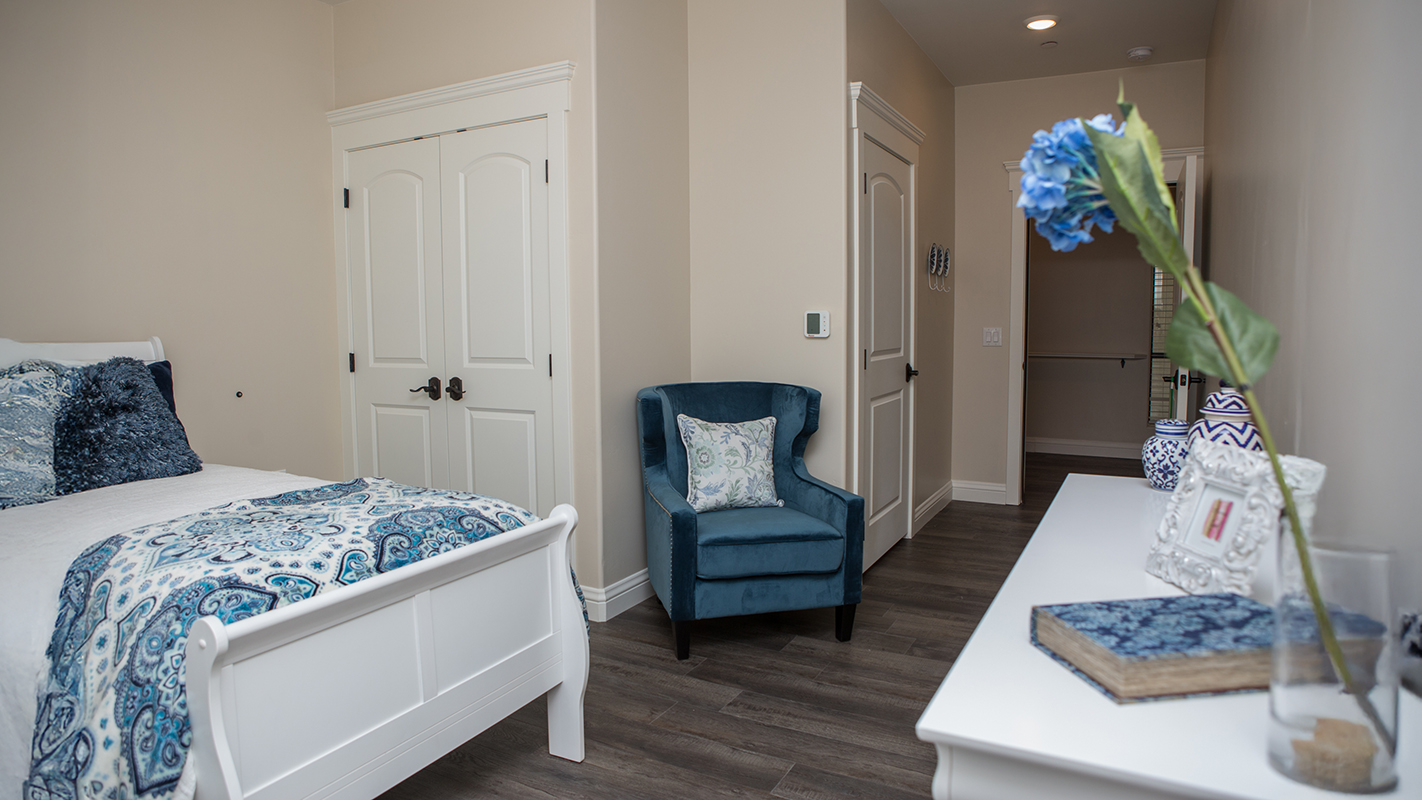
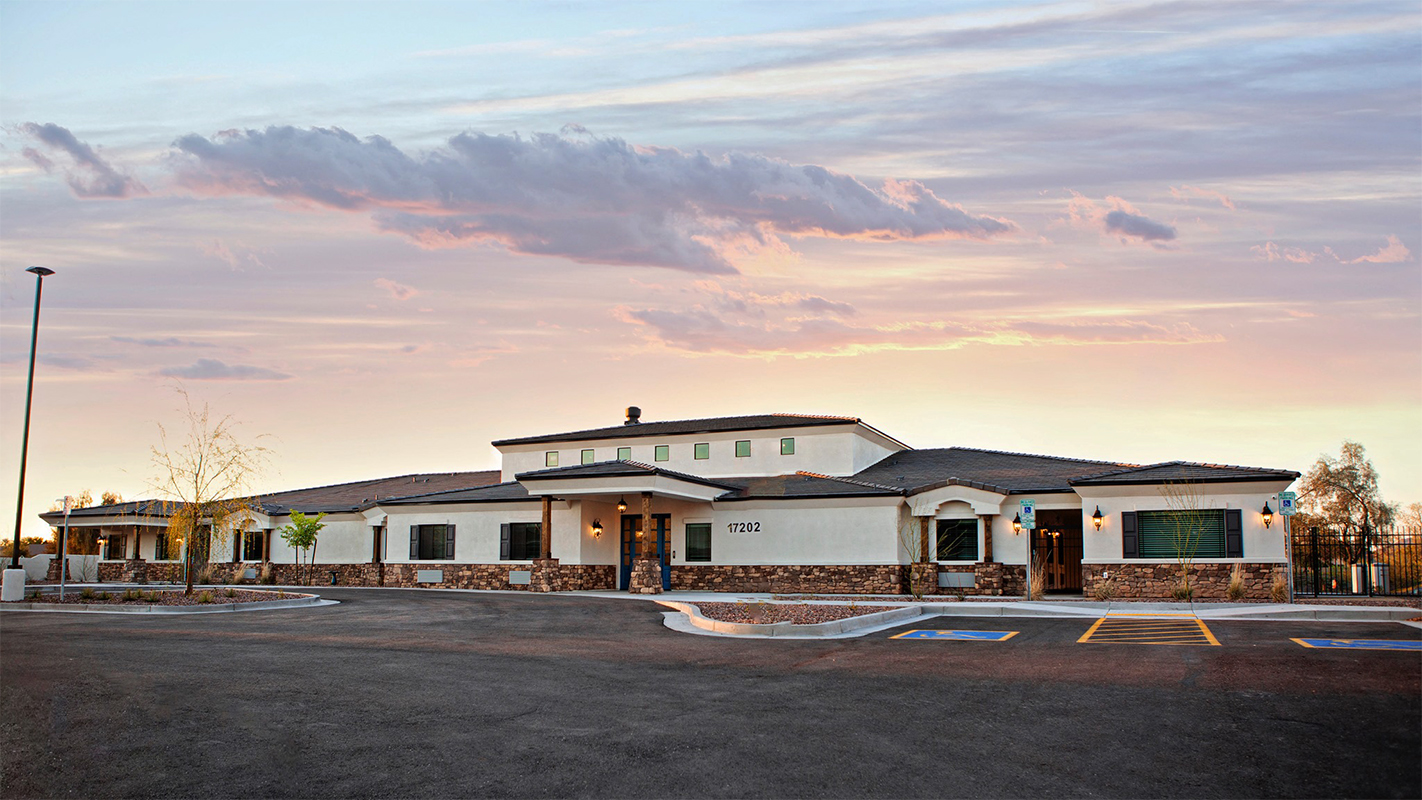
BeeHive Homes of Arrowhead Assisted Living care is ideal for those who value their independence but require help with some of the activities of daily living. Residents enjoy 24-hour support, private bedrooms with baths, medication monitoring, home-cooked meals, housekeeping and laundry services, social activities and outings, and daily physical and mental exercise opportunities. We offer full memory care services that accommodate the growing number of seniors affected by memory loss and dementia. Beehive Homes offers respite (short-term) care for your loved one should the need arise. At the BeeHive Homes of Arrowhead Assisted Living, we strive to provide the best care for our residents while maintaining their dignity and respect.
17202 N 69th Ave, Glendale, AZ 85308
Business Hours
Families rarely plan for memory care in a neat arc. Requirements shift, symptoms flare, and budget plans strain in ways that feel both immediate and open ended. I have actually sat at lots of kitchen tables doing the very same mathematics with different households, attempting to square security, self-respect, and dollars. The bright side is that expenses are understandable, advantages are accessible with some groundwork, and there are ways to align care quality with a realistic budget.
What drives the price of memory care
Memory care is specialized senior care developed for people living with Alzheimer's illness and other kinds of dementia. It costs more than standard assisted living, mainly because of staffing ratios, security features, training requirements, and structured programs. Nationally, a personal memory care home frequently runs between 6,000 and 8,500 dollars per month, with some markets as low as 4,500 and others above 12,000. The exact same neighborhood may have extremely various rates for similar units due to the fact that prices is tied to the level of care.
Expect 2 parts to the expense. Initially, a base lease that covers the apartment or condo, meals, activities, and basic assistance. Second, tiered care costs that reflect just how much hands-on aid is required. Facilities normally assess levels on move-in and again as capabilities alter. Each dive can add 500 to 2,500 dollars regular monthly. Medication management can be a different charge, often 300 to 800 dollars depending on the intricacy and number of administrations. Care needs tend to increase gradually, so a budget plan that works in January might require modification by summer.
Regional incomes affect the price. Neighborhoods in states with higher minimum incomes or unionized personnel usually charge more. Structure style likewise matters. More recent boutique settings with little home designs feel pleasant and calm, but those additionals include a premium. By contrast, bigger neighborhoods can spread out costs and might provide more flexible prices or promotions.
What you are really paying for
It assists to look beyond the month-to-month figure and break down the worth. Well run memory care provides 3 things that are tough to duplicate in your home as dementia advances.
- Predictable security. Safe borders, delayed egress, and personnel trained to avoid exit looking for lower risk of roaming and injury. The right environment likewise reduces medication use by reducing triggers for agitation.
- Care connection. A great team acknowledges subtle changes in behavior, hydration, or gait, then adjusts routines. Early modifications indicate less crises and unplanned hospital stays, which helps both health and budget.
- Meaningful days. Structured activity is not just home entertainment. Familiar tunes, handwork, and short strolls can safeguard sleep and hunger, which in turn supports general health. A stable day is less costly than a cycle of ER visits and over night caregivers.
When a family compares the expense of memory care to in-home assistance, the mathematics ought to include indirect costs. That indicates sleep for a partner, missed work days for adult kids, and the ripple effect of caregiver burnout. The cheapest intend on paper can be the costliest if it breaks a caretaker's health.
A quick vignette from practice
A retired teacher with moderate Alzheimer's disease lived at home with her husband, who was reducing weight and oversleeping two hour stretches. They had a pension, Social Security, and modest savings. They tried weekday home take care of 8 hours a day, which ran about 7,200 dollars per month in their city. Nights and weekends still was up to him. After a hospitalization for dehydration, they transferred to a memory care community with a base rent of 6,800, plus a midlevel care charge of 1,100 and 450 for medications. Their month-to-month cost was 8,350, which at first glance appeared higher. 3 things altered the equation. He slept through the night, she stopped bouncing in and out of the health center, and he returned to part-time work he enjoyed. They likewise received a veterans benefit as a surviving partner, which balance out 1,400 dollars per month. With great tuning and benefits, the memory care plan became both safer and more sustainable.
Map your budget plan before you tour
You will make better options with a composed standard. Gather monthly earnings sources and repaired costs, then layer possible care expenses on top. If you are helping a parent, file who pays what, since uncertain functions cause friction later. I frequently counsel households to plan for a 24 to 36 month runway for personal pay if Medicaid becomes part of the long video game. Waitlists for Medicaid-willing memory care systems exist, and some neighborhoods require a minimum personal pay period before converting to Medicaid.
Keep in mind that rates typically increase 4 to 8 percent each year. If a community will top increases for a time, or lock the base rate at move-in, that protection has genuine value.
Five numbers to collect before touring
- Monthly income from Social Security, pension, annuities, and dividends
- Liquid cost savings readily available without penalties in the next 24 months
- Long-term care insurance coverage everyday or month-to-month benefit, elimination period, and life time cap
- Current in-home care spending, consisting of nights and weekends if needed
- Outstanding financial obligations, plus property taxes and insurance if a home will be kept
Hidden fees and contract great print
Community costs prevail, typically 2,000 to 7,500 dollars, and sometimes negotiable or prorated. Ask whether that fee is refundable on a short stay. Some locations charge a move-in or evaluation fee of a couple of hundred dollars. There may likewise be charges for incontinence products, escorts to meals, or diabetic care. You need to know if the priced estimate rate includes all the time guidance, or if care beyond a set number of minutes per day triggers à la carte billing.
Medication management is simple to gloss over during a tour, however pharmacy related costs add up. Will the neighborhood use your preferred drug store, or are you required to use theirs with a product packaging cost. Who spends for med changes mid cycle. If insulin is included, ask whether they charge per injection or per day.
Contracts can consist of a 30 day notification stipulation, which affects refunds if a hospital stay leads to a fast transition to knowledgeable nursing or hospice. Some communities charge a second individual charge if a partner lives in the very same system. If a couple prepares to stay together as one partner's dementia advances, model both situations on paper.
What Medicare will and will not cover
Medicare pays for healthcare, not space and board in memory care. It covers doctor visits, labs, long lasting medical devices, and hospice. It can spend for as much as 100 days in a knowledgeable nursing center after a certifying hospital stay, although couple of individuals utilize the full advantage. After that, it does not cover residential memory care.
Medicare Benefit strategies sometimes include supplemental benefits like short term individual care, transportation, or caretaker support services. These can decrease the load at home or during shifts, but they do not replace the month-to-month cost of dementia care in a home. If somebody is qualified for hospice, the hospice group can bring nursing, aides, and products into the memory care setting, which can decrease some add-on charges.
How Medicaid suits memory care
Medicaid is jointly funded by state and federal governments, and guidelines differ by state. Some states fund memory care in assisted living through Home and Community Based Solutions waivers. Others do not, or they cap the variety of slots. States that do cover it typically pay less than personal rates, so neighborhoods limit the number of Medicaid beds or need a period of private pay initially. This is why the 24 to 36 month runway matters.
Financial eligibility is strict and consists of a 5 year look-back for asset transfers. Gifting money or selling properties listed below market value during that window can trigger a charge duration. Deal with an elder law lawyer for spend down techniques that abide by rules, such as allowable home modifications, oral work, hearing aids, or pre-paid funeral plans. A correctly prepared caregiver contract can allow a parent to pay an adult kid for care in your home before a relocation, which can be part of a compliant spend down.
If the person with dementia is married, protections exist for the spouse in the house. States permit a Community Partner Resource Allowance and a Minimum Month-to-month Maintenance Needs Allowance so the well spouse is not impoverished. The quantities change every year and vary by state, so confirm with your regional aging office or an elder law professional.
Veterans advantages that can bridge the gap
Veterans and making it through partners might receive a pension supplement called Aid and Participation. It is not limited to service-connected specials needs. To qualify, the veteran should have served during a wartime duration, fulfill property and income tests, and need assistance with day-to-day activities or require a protective environment due to dementia.
Monthly advantage amounts change every year. As a rough guide, a single veteran may get around 2,000 to 2,300 dollars, a married veteran around 2,300 to 2,700, and a making it through spouse around 1,200 to 1,500. These are estimate. The Department of Veterans Affairs sets main Optimum Yearly Pension Rates each year.
Two useful notes: initially, medical expenditures decrease countable income for eligibility, and memory care costs normally qualify. Second, the pension can take months to approve, but retroactive payments are common back to the application date. Households in some cases use savings for a couple of months, then fold in the retroactive deposit to rebuild reserves.
Long-term care insurance coverage, decoded in plain English
These policies assist most when you comprehend the levers. Sets off trigger advantages when the insured requirements help with at least 2 activities of daily living or has a cognitive disability that requires considerable supervision. Memory care citizens generally satisfy the cognitive requirement once a physician documents it.
Elimination durations are waiting periods, often 30 to 90 days, before benefits pay. Some policies count calendar days, others just days when you receive paid care. If it is the latter, a short term strategy that consists of respite care nights or daily adult day presence can move you through the elimination duration faster.
Daily or month-to-month caps matter. A 200 dollar daily cap is 6,000 dollars each month on a 1 month calendar, but some months have 31 days. Policies with regular monthly caps handle variable month lengths much better. Inflation riders assist older policies keep pace with today's rates. View life time maximums. If a policy has a 200,000 dollar lifetime pool and you use 8,000 dollars monthly, the swimming pool runs for about two years and one month.
Finally, compensation policies need evidence of paid care and concern checks after the reality. Indemnity policies pay the complete day-to-day advantage once you certify, despite the invoice. That difference determines capital in the very first months after a move.
Tax techniques that are often overlooked
If a physician certifies that an individual with dementia needs considerable supervision and a plan of care exists, the majority of or all of memory care expenses can qualify as medical expenditures. If you detail deductions, medical costs above 7.5 percent of adjusted gross income can be deductible. Families often miss this because they presume space and board do not count. In memory care, they typically do, provided the primary factor for house is medical.
Adult kids who offer over half of a parent's support might be able to declare the parent as a dependent, which can open other tax considerations. The Child and Dependent Care Credit can apply to adult day services that enable a caregiver to work, though residential room and board is not qualified. Tax guidelines shift, so a short talk to a CPA pays for itself.
Home equity, life insurance coverage, and other assets
A paid off home is a significant reservoir of care dollars. Offering is simple, but not constantly the best call if a partner remains there. A reverse home mortgage provides regular monthly earnings or a credit line protected by the home. It can cover in-home dementia care or bridge a number of years of memory care without requiring an immediate sale. Charges and interest are genuine costs, so model the numbers, including what takes place when the borrower moves completely to a facility.
Some life insurance policies can be converted to pay for senior care. Accelerated death benefits or life settlements turn a policy's value into monthly payments. These are specialized and often expensive deals. Always compare the net profits to simpler alternatives, and beware about tax impacts and Medicaid implications.
Annuities can turn a lump amount into a predictable earnings stream. If using annuities as part of Medicaid planning, structure matters. Work with a specialist who understands your state's rules so you do not mistakenly develop a countable asset.
Respite care and adult day programs as spending plan tools
Respite care is a brief stay in a memory care community, normally from a week to a month. It is useful when a caregiver requires surgery, a break, or to test drive a community. The day-to-day rate is typically greater than the pro rata monthly rate, however it includes the very same services. A well timed respite can prevent a crisis that would otherwise cause a costlier, rushed placement.
Adult day programs operate on weekdays, with some offering extended hours or weekends. Daily rates often vary from 70 to 150 dollars, with transportation in some areas. For early to mid phase dementia, adult day coupled with targeted home care can delay a relocation by months or more. It keeps the individual engaged and offers caregivers dependable time for work or rest. When a relocation becomes needed, the shift is calmer since the person is already utilized to structured days and brand-new faces.
Negotiating the ideal fit, not just the best price
Rates are more flexible than they seem. Neighborhoods run promotions when occupancy dips, specifically in larger buildings with a number of areas. Ask about move-in specials, waived neighborhood charges, or base rate locks. Timing matters. End of the month can be better, and late fall often brings incentives.
Here are negotiation points that deserve airtime during tours
- Will you waive or prorate the neighborhood charge, and is it refundable within 30 days
- Can you cap annual boosts for the first two years
- If the care level changes within 60 days, will you hold the initial level or change gradually
- Can we use our pharmacy, and will you match their packaging fee if you require bubble packs
- If we add hospice, which current care charges will decrease
A facility that prevents these concerns or buries answers in the contract is informing you something about future interactions.
Protect quality while watching the bottom line
There are ways to control expenses without undercutting care. Smaller sized rooms lower lease, and lots of residents spend the majority of their time in common areas anyway. Shared suites can conserve 1,000 to 3,000 dollars monthly, however they work best for individuals who are friendly and not quickly distressed by another person's rhythms. If roaming or nighttime agitation is prominent, a personal system might avoid conflicts that result in add-on staffing fees.
Transportation charges add up when families depend on the neighborhood for each medical visit. Telehealth for regular visits and bundling specialty visits on one day can cut expenses. On the medical side, regular medication evaluations prevent polypharmacy, which assists both health and the month-to-month med management fee.
When home remains the best value
Home can be ideal for longer than individuals expect when three conditions hold. First, the physical environment is safe, with fall threats lowered, doors secured, and routines stabilized. Second, caregivers have reputable relief through respite care, adult day, or employed assistance. Third, agitation, incontinence, or night wandering are manageable without continuous conflict. The budget must consist of replacement labor for household care if that family member gets ill or requires to take a trip. I push families to price the real respite care beehivehomes.com strategy, not the idealized one.
One caution. When dementia advances to behaviors that put others at threat, such as repeated stove usage, aggressive outbursts, or roaming toward traffic, the tipping point gets here rapidly. A rushed move tends to be more expensive and less notified. Touring early, even if you do not sign, makes later on choices calmer.
Build a simple capital plan
Turn the planning into a one page tool that you can update every 6 months. List monthly income on one side and repaired care expenditures on the other. Keep in mind the date when a personal policy starts paying, completion of any elimination period, and the status of advantage applications like Help and Attendance. Create a column for anticipated yearly boosts. If cost savings are being drawn down, reveal the glide course month by month. This makes household discussions concrete and goal oriented.
If several brother or sisters are involved, agree on a single point person for expenses and advantages. Too many hands result in missed due dates and replicate payments. The very same opts for documentation. Keep the power of attorney, advance instruction, insurance policy, and the latest care strategy in one shared folder, paper and digital.
Red flags that can cost you later
A bargain rate is not a bargain if turnover is consistent, company staffing is the norm, or nurses are thin on the ground. I take notice of the energy in the dining room, not just the menu. Are individuals actually eating, and does staff linger to help. Try to find consistent faces over numerous visits at various times of day. If sales pledges do not match what you see at 7 p.m. On a Sunday, be careful.
Take a minute with the activity calendar. A complete page means little if the room is quiet. You want to see locals participated in manner ins which match various phases of dementia care. That may mean a little group folding laundry, two individuals singing with a staff member, and somebody else walking a circuit with mild cueing. Engagement decreases the need for pricey one to one staffing.
The function of respite care in testing a community
If you are torn in between 2 locations, arrange a short respite remain in your top choice. Take note of how the group discovers your person. Do they ask about routines, preferred foods, and sets off. How do they communicate with you during the stay. If you entrust to clear notes and a settled feeling, that deserves as much as a little price distinction. If questions go unanswered, reconsider.
Bringing everything together
Affording high quality memory care is part arithmetic, part timing, and part advocacy. The arithmetic side gain from early, truthful math and from comprehending how advantages like Medicaid waivers, veterans pensions, and long-term care insurance coverage really work. The timing side prefers families who tour before a crisis and who use respite care or adult day programs to bridge changes. The advocacy side reveals up in concerns you ask during tours and in the agreements you negotiate.
When you do the develop front, you purchase options later on. Families who know their numbers, line up advantages, and push for rate protections tend to keep care constant even as needs grow. That steadiness is what matters. Memory care succeeded is not simply a location. It is an organized way to live with dementia that keeps an individual safe, known, and engaged, while keeping the household's financial resources undamaged for the long haul.
BeeHive Homes of Arrowhead Assisted Living provides assisted living care
BeeHive Homes of Arrowhead Assisted Living provides memory care services
BeeHive Homes of Arrowhead Assisted Living provides respite care services
BeeHive Homes of Arrowhead Assisted Living supports assistance with bathing and grooming
BeeHive Homes of Arrowhead Assisted Living offers private bedrooms with private bathrooms
BeeHive Homes of Arrowhead Assisted Living provides medication monitoring and documentation
BeeHive Homes of Arrowhead Assisted Living serves dietitian-approved meals
BeeHive Homes of Arrowhead Assisted Living provides housekeeping services
BeeHive Homes of Arrowhead Assisted Living provides laundry services
BeeHive Homes of Arrowhead Assisted Living offers community dining and social engagement activities
BeeHive Homes of Arrowhead Assisted Living features life enrichment activities
BeeHive Homes of Arrowhead Assisted Living supports personal care assistance during meals and daily routines
BeeHive Homes of Arrowhead Assisted Living promotes frequent physical and mental exercise opportunities
BeeHive Homes of Arrowhead Assisted Living provides a home-like residential environment
BeeHive Homes of Arrowhead Assisted Living creates customized care plans as residents’ needs change
BeeHive Homes of Arrowhead Assisted Living assesses individual resident care needs
BeeHive Homes of Arrowhead Assisted Living accepts private pay and long-term care insurance
BeeHive Homes of Arrowhead Assisted Living assists qualified veterans with Aid and Attendance benefits
BeeHive Homes of Arrowhead Assisted Living encourages meaningful resident-to-staff relationships
BeeHive Homes of Arrowhead Assisted Living delivers compassionate, attentive senior care focused on dignity and comfort
BeeHive Homes of Arrowhead Assisted Living has a phone number of (602) 717-1864
BeeHive Homes of Arrowhead Assisted Living has an address of 17202 N 69th Ave, Glendale, AZ 85308
BeeHive Homes of Arrowhead Assisted Living has a website https://beehivehomes.com/locations/arrowhead
BeeHive Homes of Arrowhead Assisted Living has Google Maps listing https://maps.app.goo.gl/D7JvVkn2P8RDaFQS7
BeeHive Homes of Arrowhead Assisted Living has Facebook page https://www.facebook.com/BeeHiveArrowhead
BeeHive Homes of Arrowhead Assisted Living won Top Assisted Living Homes 2025
BeeHive Homes of Arrowhead Assisted Living earned Best Customer Service Award 2024
BeeHive Homes of Arrowhead Assisted Living placed 1st for New Mexico Senior Living Communities 2025
People Also Ask about BeeHive Homes of Arrowhead Assisted Living
What is BeeHive Homes of Arrowhead Assisted Living Living monthly room rate?
Our monthly rate is based on an individual care assessment that determines the level of support your loved one needs. We use an all-inclusive pricing model, which means no hidden costs, no surprise fees, and no confusing tier add-ons. Contact us to schedule a complimentary assessment and personalized quote
Can residents stay in BeeHive Homes of Arrowhead Assisted Living until the end of their life?
In most cases, yes. We are committed to caring for our residents through their journey. Exceptions may arise if a resident requires 24-hour skilled nursing services or presents safety concerns that exceed what our home can accommodate. We work closely with families and healthcare providers to ensure smooth, compassionate transitions whenever they are needed
Do we have a nurse on staff?
Our home has a consulting nurse available 24/7. If nursing services are needed, a physician can order home health care to be provided directly in the home. Our trained caregiving staff is on-site around the clock for daily support, medication management, and emergency response
What are BeeHive Homes of Arrowhead Assisted Living's visiting hours?
We welcome family visits and work to accommodate schedules flexibly. We simply ask that visits happen at reasonable hours so our residents can maintain healthy daily routines. We believe family connection is essential, and we never want policies to get in the way of that
Do we have couple’s rooms available?
Yes. We have rooms designed for couples who want to stay together. Availability varies, so we encourage you to ask early during the tour and assessment process
Where is BeeHive Homes of Arrowhead Assisted Living located?
BeeHive Homes of Arrowhead Assisted Living is conveniently located at 17202 N 69th Ave, Glendale, AZ 85308. You can easily find directions on Google Maps or call at (602) 717-1864 Monday through Sunday 7:00am to 7:00pm
How can I contact BeeHive Homes of Arrowhead Assisted Living?
You can contact BeeHive Homes of Arrowhead Assisted Living by phone at: (602) 717-1864, visit their website at https://beehivehomes.com/locations/arrowhead or connect on social media via Facebook
Haus Murphy's provides a welcoming local dining experience that assisted living and memory care residents can enjoy during senior care and respite care visits.